Addiction Articles
Substance-use disorders are treatable medical conditions. They can affect physical health, mental health, relationships, work and daily functioning. Assessment and treatment should be respectful, confidential and individualized.
Alcohol Use Disorder
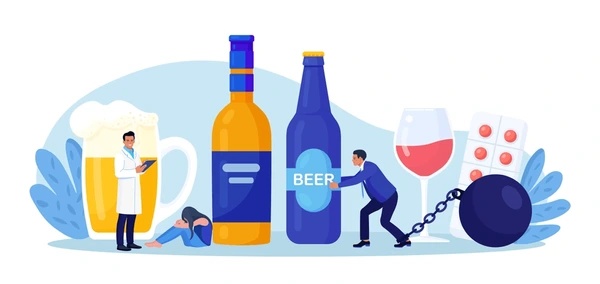
Alcohol use disorder (AUD) occurs when alcohol becomes difficult to control and causes significant health, relationship, work or social problems. Warning signs can include drinking more than intended, unsuccessful attempts to reduce use, cravings, continued drinking despite harm, tolerance or withdrawal.
Alcohol and health
Alcohol can increase the risk of cancer, liver disease, heart disease, stroke, injuries, sleep problems and mental-health concerns. Canada's Guidance on Alcohol and Health emphasizes that less alcohol is better:
- 0 drinks per week: no alcohol-related risk.
- 1–2 standard drinks per week: low risk.
- 3–6 standard drinks per week: moderate risk, including increased cancer risk.
- 7 or more standard drinks per week: increasingly high risk.
Treatment
Treatment may include counselling, motivational interviewing, cognitive behavioural therapy, peer support, medically supervised withdrawal and medications such as naltrexone or acamprosate when clinically appropriate. Goals may include abstinence or a meaningful reduction in alcohol use.
Canadian Alcohol Use Disorder Guideline | Canada's Guidance on Alcohol and Health
Opioid Use Disorder
Opioid use disorder (OUD) is a chronic, treatable medical condition involving a pattern of opioid use that causes significant impairment or distress. Signs may include loss of control, cravings, continued use despite harm, unsafe use, tolerance or withdrawal. Physical dependence from prescribed opioids is not, by itself, the same as OUD.
Overdose prevention
Opioid overdose can cause slow or absent breathing, blue or grey lips, pinpoint pupils, choking or gurgling sounds, or inability to wake. Call 911 immediately, give naloxone if available and provide rescue breathing or CPR if trained. Do not leave the person alone.
Reduced tolerance after stopping or decreasing opioids increases overdose risk. Avoid using alone, carry naloxone and avoid combining opioids with alcohol, benzodiazepines or other sedatives.
Treatment
Opioid agonist treatment with buprenorphine/naloxone or methadone is first-line care for many people. Slow-release oral morphine may be considered in selected situations. Treatment can also include counselling, harm-reduction services, treatment of concurrent conditions and long-term recovery support. Withdrawal management alone is not recommended because relapse and overdose risks remain high.
Cannabis Use Disorder
Cannabis use disorder (CUD) occurs when cannabis becomes difficult to control and causes significant problems or distress. Signs may include using more than intended, unsuccessful attempts to reduce use, cravings, interference with responsibilities or relationships, continued use despite harm, tolerance or withdrawal.
Possible effects
Frequent or high-THC cannabis use can affect attention, memory, motivation, mood, sleep and driving ability. It may worsen anxiety, depression or psychosis in susceptible individuals. Cannabis withdrawal can include irritability, anxiety, insomnia, reduced appetite, restlessness and cravings.
Treatment
Treatment is individualized and may include motivational counselling, cognitive behavioural therapy, contingency management, sleep support, mental-health treatment and harm-reduction strategies. There is currently no medication specifically approved in Canada for CUD.
Benzodiazepine Use Disorder
Benzodiazepines include medications such as lorazepam, clonazepam, alprazolam and diazepam. Benzodiazepine use disorder may be present when use causes significant impairment or distress, with signs such as loss of control, cravings, unsuccessful attempts to reduce use, unsafe use or continued use despite harm.
Physical dependence is not automatically addiction. A person taking benzodiazepines exactly as prescribed can develop physical dependence without having a benzodiazepine use disorder.
Treatment
Treatment begins with a careful assessment and may include a slow taper, regular monitoring, counselling and treatment of anxiety, insomnia, trauma or other underlying conditions. Combining benzodiazepines with opioids, alcohol or other sedatives increases the risk of respiratory depression and overdose.
Joint Clinical Practice Guideline on Benzodiazepine Tapering
Getting Help in Hamilton
- St. Joseph's Rapid Access Addiction Medicine Clinic: 905-522-1155, extension 35800.
- City of Hamilton Alcohol, Drug & Gambling Services: 905-546-3606.
- ConnexOntario: 1-866-531-2600 or text CONNEX to 247247, available 24/7.
- Emergency: Call 911 for an overdose, seizure, severe withdrawal, loss of consciousness or immediate danger.
Patient-education content was developed and reviewed by Dr. Mohammed Al Haidari, MD, CCFP, CCFP-AM, Addiction Medicine Fellowship, University of Manitoba, MSc Pain Medicine USC, Graduate Certificate in Pain Medicine USC and Graduate Certificate in Cannabis Science McMaster; Assistant Clinical Professor (Adjunct), McMaster University; Lecturer, Max Rady College of Medicine at the University of Manitoba.